

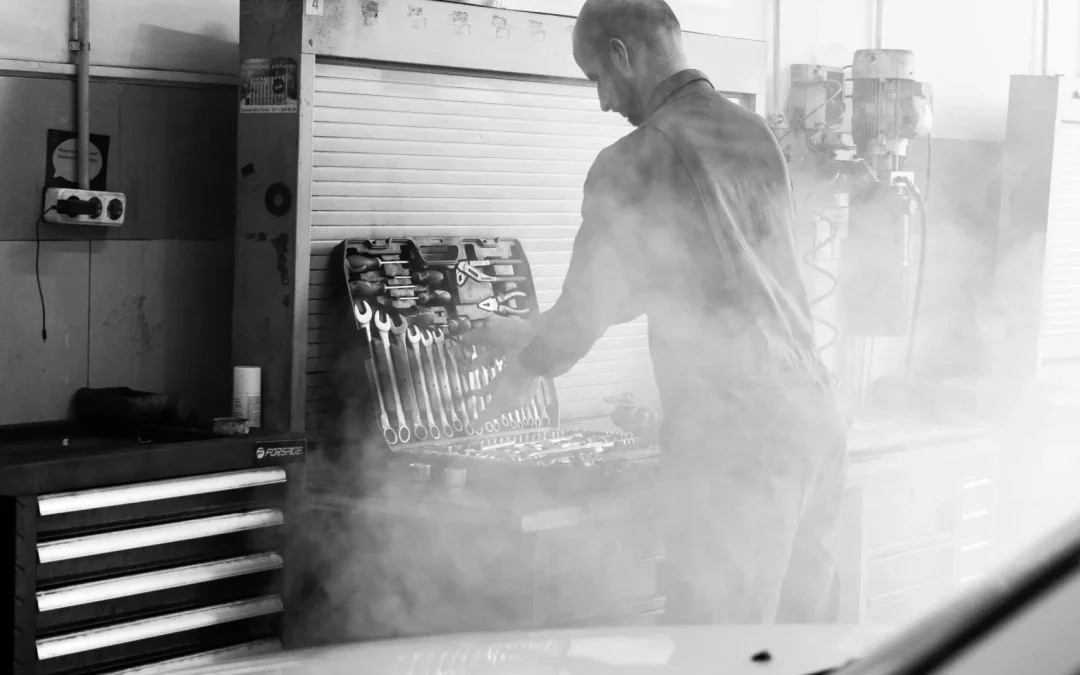
Did you know? Controlling vehicle exhaust exposure in an auto workshop is not optional. It is a legal and health imperative.
Diesel engine exhaust emissions contain known carcinogenic substances. Long-term repeated exposure to diesel fumes over a period of around 20 years may increase the risk of lung cancer. That risk is cumulative and often invisible in day-to-day operations.
Under the Control of Substances Hazardous to Health Regulations (COSHH) 2002, employers must carry out a suitable and sufficient assessment where employees are exposed to diesel fumes. Where risk is identified, exposure must be prevented or adequately controlled.
Here is a quick guide on why auto workshops should opt for an efficient vehicle exhaust extraction system.
General Ventilation Is Not Adequate Control
A common assumption that vehicle workshop owners make is that roof fans, wall extractors or open roller shutters are sufficient.
However, they are not designed to capture exhaust at the tailpipe. They dilute and move air. Once exhaust gases disperse into the general workshop environment, control becomes unpredictable. Airflow tends to shift with door openings, vehicle movement and seasonal temperature differences.
What this means is that while the background air readings might appear acceptable in rear areas of the workshop, technicians working near idling vehicles are still exposed to concentrated plumes at breathing height.
Air movement is therefore not the same as exposure control.
Diesel Exhaust Is a Recognised Carcinogenic Hazard
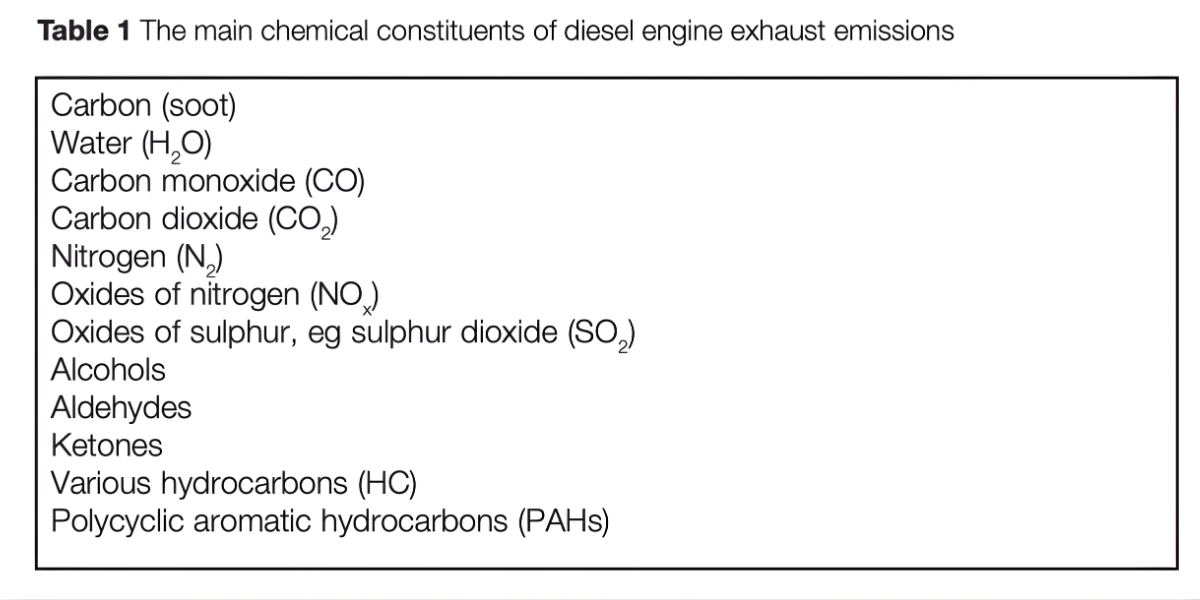 Diesel particles are classified as carcinogenic. Diesel fumes containing carbon monoxide and nitrogen oxides present an additional risk.
Short engine runs are often dismissed as insignificant. In practice, repeated daily exposure across years of employment is rarely insignificant. MOT bays, fleet depots and diagnostic areas can see multiple engines running during a single shift. This cumulative effect is often underestimated during risk assessments.
HSG187 provides examples of good practice for controlling exposure in motor vehicle repair premises. The emphasis is clear. Exposure must be prevented or controlled, not simply diluted.
Properly Designed Vehicle Exhaust Extraction Captures at Source
Vehicle exhaust extraction systems work by intercepting fumes directly at the tailpipe before they enter the wider workspace. Performance of these extraction systems depends on correct fan sizing, duct resistance calculations, hose positioning and discharge location.
We often find systems that are installed quickly to meet operational deadlines. On paper, the airflow may meet the specification. However, if the capture is inconsistent due to leakage, undersized fans or excessive duct runs, then the performance is ineffective at the tailpipe level.
At Vent-Tech, we focus on assessing real workshop layouts and vehicle movement before design. Our vehicle extraction systems are HSG258-compliant, meaning businesses should focus on good design, commissioning and maintenance so that LEV systems actually control exposure as intended. Read more about our engineering-led installation process.
Installation Is Only Part of Compliance
Once installed, the system becomes subject to statutory Thorough Examination and Test under COSHH Regulation 9.
Testing frequently identifies issues that are not obvious during day-to-day use. It helps assess and identify whether the system is doing the job as it was intended to.
In the course of examinations, we often find problems that are not apparent on a day-to-day basis. These include reduced airflow at terminal points, deteriorated flexible hoses, high system resistance, or discharge points that fail to adequately disperse extracted fumes.
At Vent-Tech, we ensure we provide our customers with regular and compliant LEV Testing and reporting in line with HSE requirements.
Always remember, a certificate confirms performance at the time of examination, but it does not guarantee that the system will continue performing without proper maintenance.
Workshops Without Dedicated Extraction Struggle to Demonstrate Control
With the absence of an exhaust extraction system, it can be difficult to demonstrate how exposure is being adequately controlled. Relying on natural ventilation or background air movement rarely satisfies regulatory scrutiny, particularly where diesel vehicles are regularly operated indoors.
In modern facilities with defined bays, integration is usually straightforward. In older workshops where ducting has evolved, design becomes more complex, and performance often degrades gradually.
If you are reviewing exposure control within your facility, the starting point is not equipment selection. It is confirming whether exhaust fumes are being effectively captured at source and whether your current arrangement would withstand regulatory examination.
To discuss your compliance requirements or arrange a site survey, contact our team today.
Compliance is not achieved when a system is installed. It is achieved when exposure remains controlled in normal operation.