

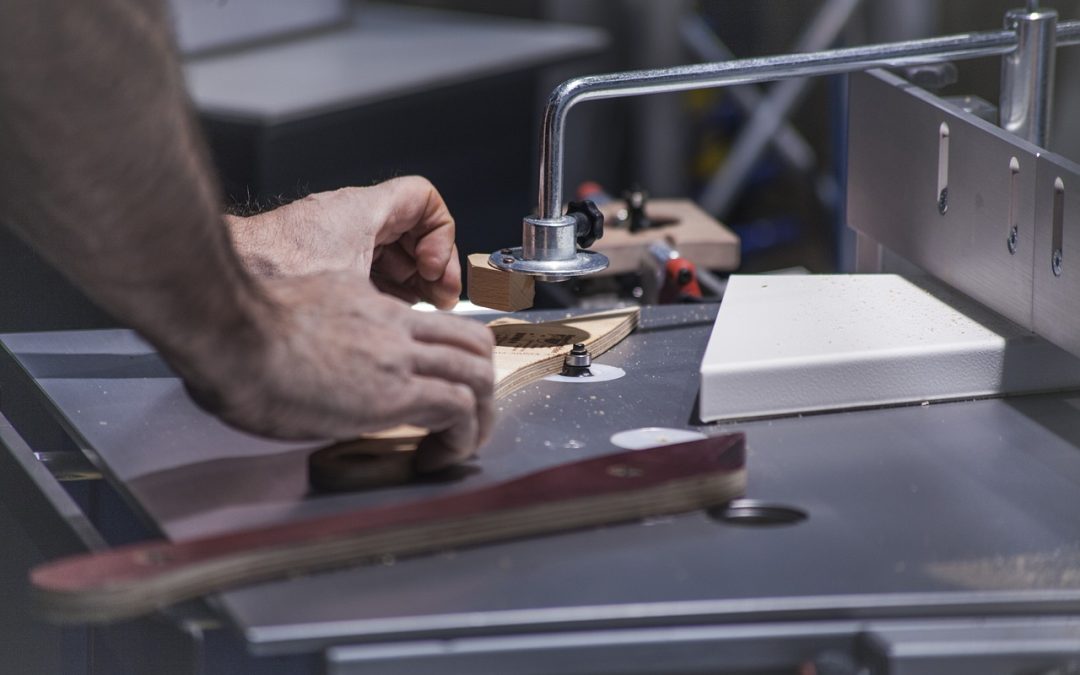
Commercial joinery workshops and woodworking facilities naturally generate vast amounts of timber waste during daily processing tasks. From high-speed routing and spindle moulding to fine hand sanding, every cutting action creates airborne hazards across the floor.
Breathing in fine timber particulates shift after shift poses a real risk to the long-term health of your machine operators. Without proper controls in place, invisible particles float throughout the building, causing serious respiratory conditions such as occupational asthma and sino-nasal cancer.
Implementing a targeted extraction strategy is essential for protecting staff, maintaining workshop hygiene, and meeting your legal duties. Partnering with experienced ventilation specialists like Vent-Tech ensures dangerous airborne particles are removed safely before reaching any worker’s breathing zone.
Understanding the Health Risks and Need for Wood Dust Extraction
Wood dust is classified as a hazardous substance under COSHH, with a Workplace Exposure Limit set in EH40/2005. Exposure can cause occupational asthma, allergic reactions, chronic bronchitis and sino-nasal cancer, which is why controlling it at source matters.
Because fine sawdust can remain suspended in workshop air for hours, uncontained emissions quickly pollute the entire facility. Settled particles also create a fire hazard on rafters and overhead ductwork, and a dust explosion risk if ignited.
Deploying high-performance wood dust extraction equipment captures hazardous timber particles directly at the cutter head or sanding bed. Understanding how operational changes impact performance is key, as explored in our guide on LEV testing in woodworking to ensure continuous safety.
Designing Effective Systems for Joinery Dust Control
Every woodworking machine presents unique extraction challenges, requiring an extraction airflow matched to the machine, with the cutting zone enclosed as far as is practical. Standard off-the-shelf vacuum units rarely provide adequate airflow for heavy-duty joinery equipment, leaving fine particulates floating freely around operators.
Effective dust control relies on purpose-designed hoods that enclose the active cutting zone without obstructing daily timber feeding. Ductwork must also maintain appropriate transport airspeeds to prevent heavy chippings and fine sawdust from settling and blocking internal pipes. At Vent-Tech we design the duct run first and then select a fan to suit it, because a fan can’t make up for a poorly laid-out system.
Investing in bespoke system layout and professional LEV design provides confidence that your extraction infrastructure maintains balanced static pressure across all workstations. Tailored design protects your machinery from premature wear while ensuring effective capture at every active machinery station. Good practice for design and testing is set out in the HSE’s HSG258 and BESA’s TR40.
Best Practices for Maintaining Wood Dust Extraction Performance
Installing quality extraction hardware is only the first step towards maintaining clean air across your busy manufacturing facility. Filters gradually become clogged with fine timber waste, while loose duct clamps and damaged flexible hoses quietly reduce total suction power.
Train machine operators to position adjustable hoods close to the emission point before starting any cutting job. Simple habits like this, along with daily pre-use checks, dramatically improve capture efficiency during daily shifts.
Under COSHH Regulation 9, employers must have LEV systems thoroughly examined and tested, known as a TExT, at least once every fourteen months. A TExT checks airflow and pressure against the system’s commissioning benchmark, using the methodology in HSG258, to confirm your system continues to provide adequate workforce protection.
Managing Combustible Dust Hazards and Regulatory Compliance
In addition to health risks, concentrated clouds of dry timber dust can present an explosion hazard within enclosed manufacturing buildings. A simple spark from an overheating bearing or static electrical charge can ignite suspended dust, leading to a serious workshop fire.
Under DSEAR, employers must assess the fire and explosion risk from combustible dust. Depending on the risk assessment and zone classification, systems may include ATEX-compliant components, anti-static ductwork and explosion relief venting to safely manage combustible organic materials. Operators must also avoid using compressed air lines to blow settled workplace dust off machinery, as this creates hazardous airborne clouds.
Maintaining clear pre-use check logs and keeping up with routine filter maintenance demonstrates a proactive workplace safety culture. Adhering to strict health standards protects your workforce from serious lung disease while safeguarding your business against costly regulatory penalties.
Achieving Long-Term Compliance and Effective Wood Dust Extraction
Safeguarding your joinery workforce from dangerous timber emissions requires an integrated approach to local exhaust ventilation management. Combining proper extraction design, daily operator awareness, and regular maintenance ensures your workshop air remains clean, safe, and fully compliant.
Prioritising source capture protects your team from serious respiratory disease while keeping production lines running smoothly and efficiently. Investing in reliable dust control infrastructure transforms your facility into a cleaner, healthier, and far more productive working environment.
Vent-Tech’s engineers hold BOHS accreditation, our Managing Director is a contributing author of BESA TR40, and we design to a tenth of the EH40 exposure limit. If you want to review your workshop air quality or require guidance on upgrading your extraction setup, please visit our contact page to speak with our specialist engineering team about your joinery ventilation requirements.