



How Effective LEV Strategy Prevents Occupational Lung Disease
Industrial manufacturing processes naturally generate significant volumes of hazardous airborne contaminants, including toxic dusts, mists, and chemical fumes. Maintaining clean air on the factory floor is not merely about basic housekeeping; it is an essential duty...
How to Prepare for an HSE Inspection: A Checklist for Your Workplace LEV Systems
Facing a Health and Safety Executive visit can feel daunting for factory managers responsible for air quality. Knowing exactly what an inspector looks for across your extraction setup reduces operational stress and ensures your facility is fully prepared on the day....
Are Your Employees Using LEV Correctly? 4 Common Mistakes That Reduce Extraction Efficiency
Installing local exhaust ventilation is a massive step towards protecting workforce health on the factory floor. However, even top-tier extraction equipment relies heavily on proper daily operation by your staff to keep everyone safe from dangerous workplace...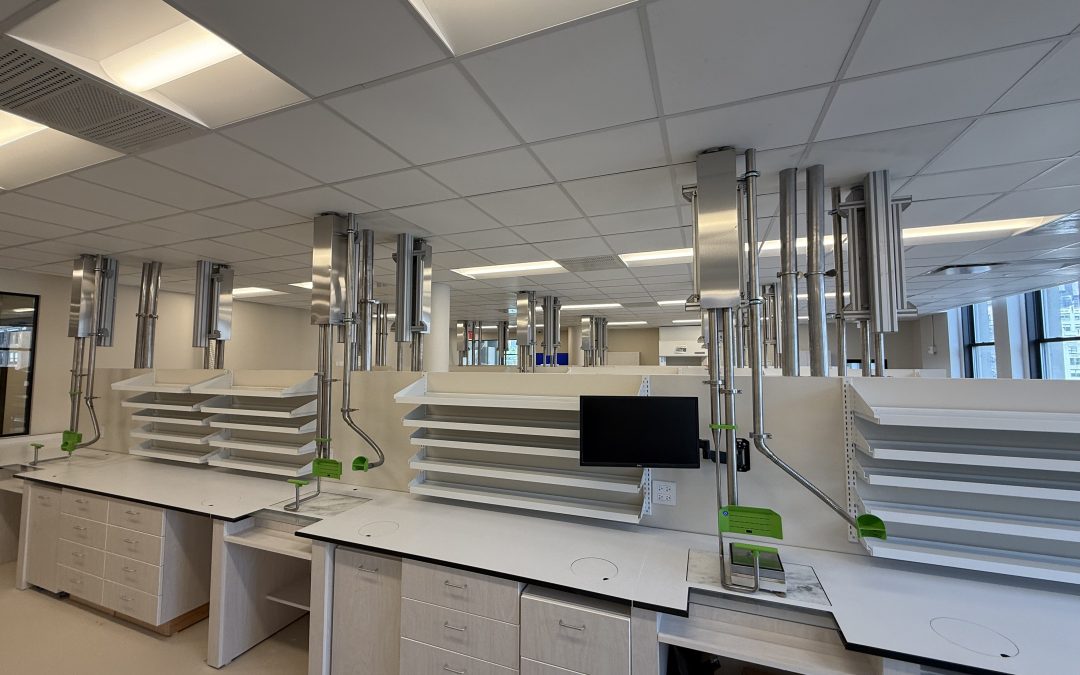
Can Every Laboratory Benefit from Energy-Efficient Extraction?
Why choosing the right engineering solution is more important than choosing the latest technology. Whenever a new technology enters the market, it’s easy to assume it’s the right solution for every application. In engineering, that rarely tells the whole...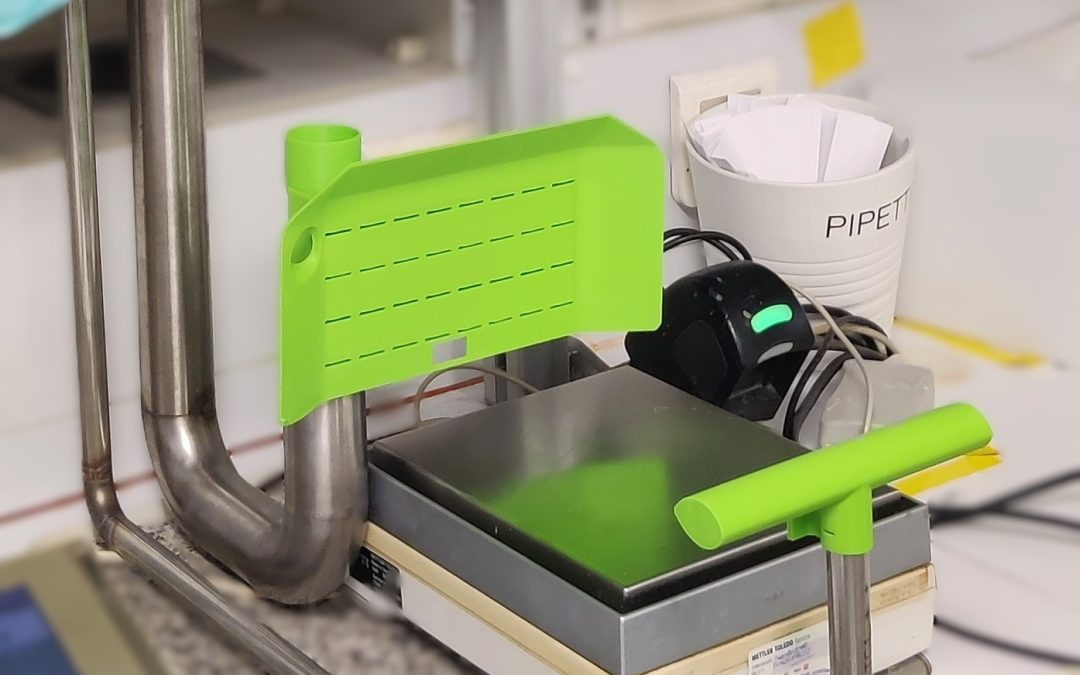
How Much Energy Does Your Laboratory Extraction System Really Use?
When organisations invest in a new laboratory extraction system, it’s easy to focus on the upfront investment. However, the purchase price is only one part of the overall cost. For many laboratories, the largest expense isn’t the installation. It’s...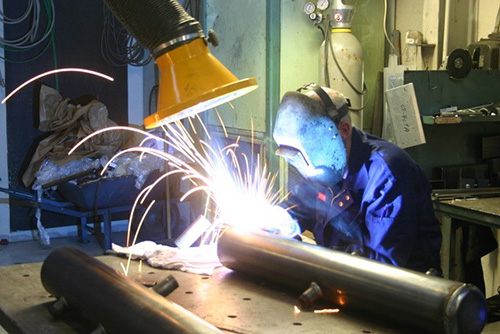
Controlling Welding Fumes: A Guide to LEV Compliance for Metal Fabrication
Metal fabrication processes naturally generate significant health hazards, particularly when heating, cutting, and joining materials. Welding fumes are a complex mix of toxic gases and fine particles created during high-temperature joining tasks on the workshop floor....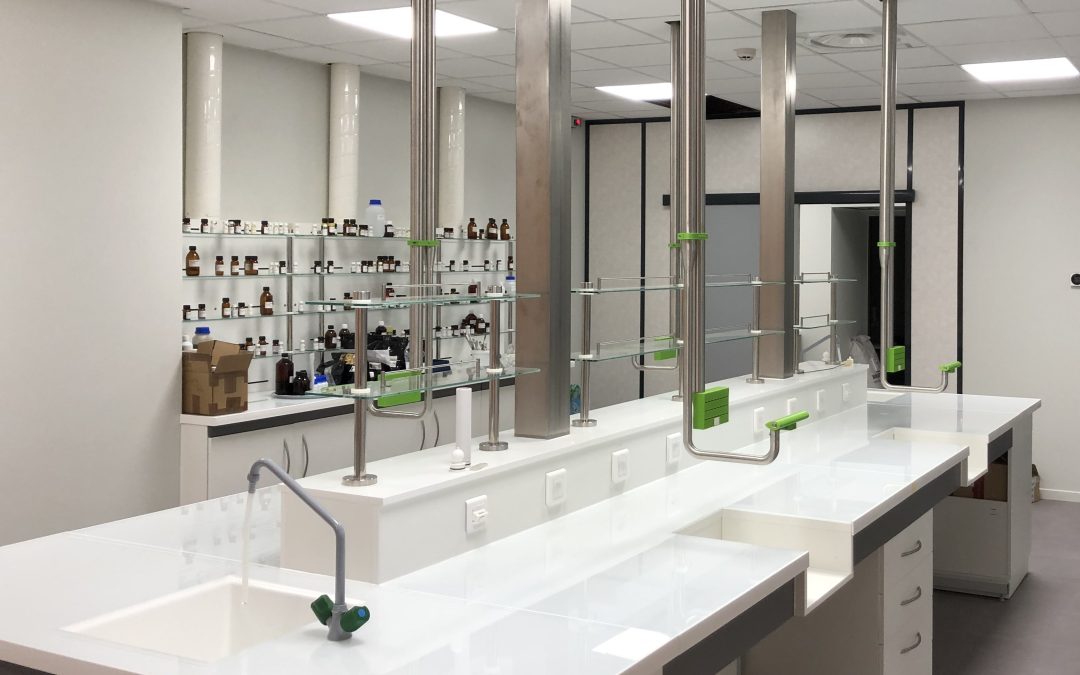
Is Your Laboratory Extraction System Costing More Than You Think?
Why smarter LEV design is becoming just as important as compliance. When most organisations think about Local Exhaust Ventilation (LEV), their priorities are usually straightforward: protect employees, comply with COSHH regulations and ensure hazardous substances are...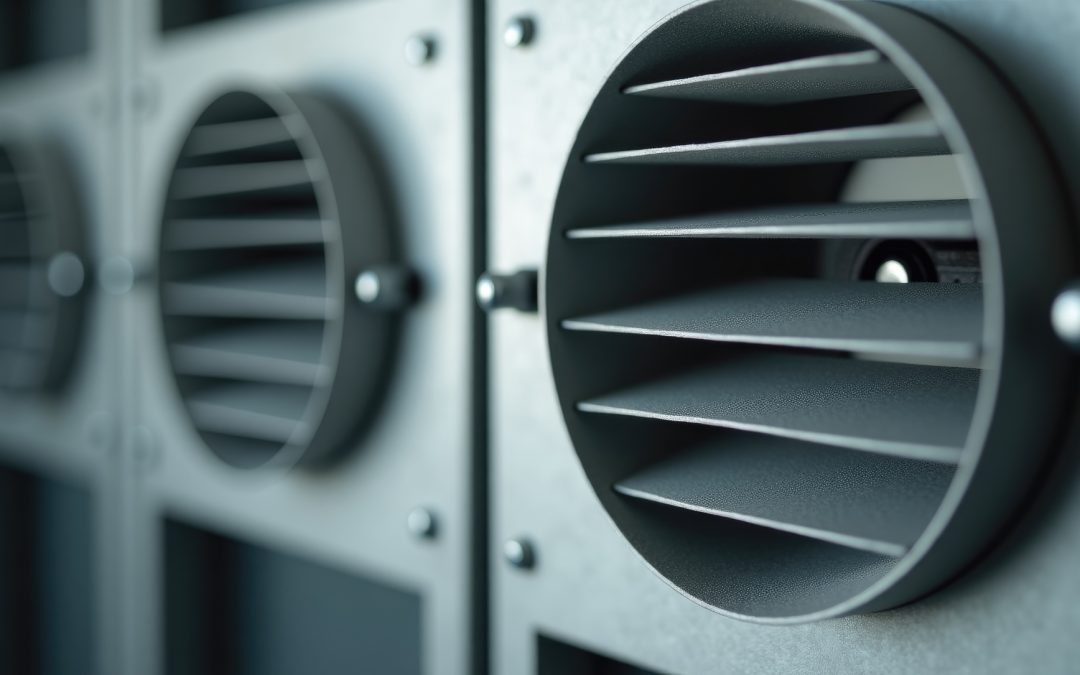
What the HSE Data Is Telling Us: Importance of LEV
Every year, the Health and Safety Executive releases new data about workplace injuries and illnesses across the country. While many people focus on immediate safety hazards like trips and falls, the numbers regarding industrial health paint a much more serious...